Quality Control Equipments
Advanced testing and laboratory equipment designed to ensure strength, durability, safety, and compliance with modern construction quality standards.
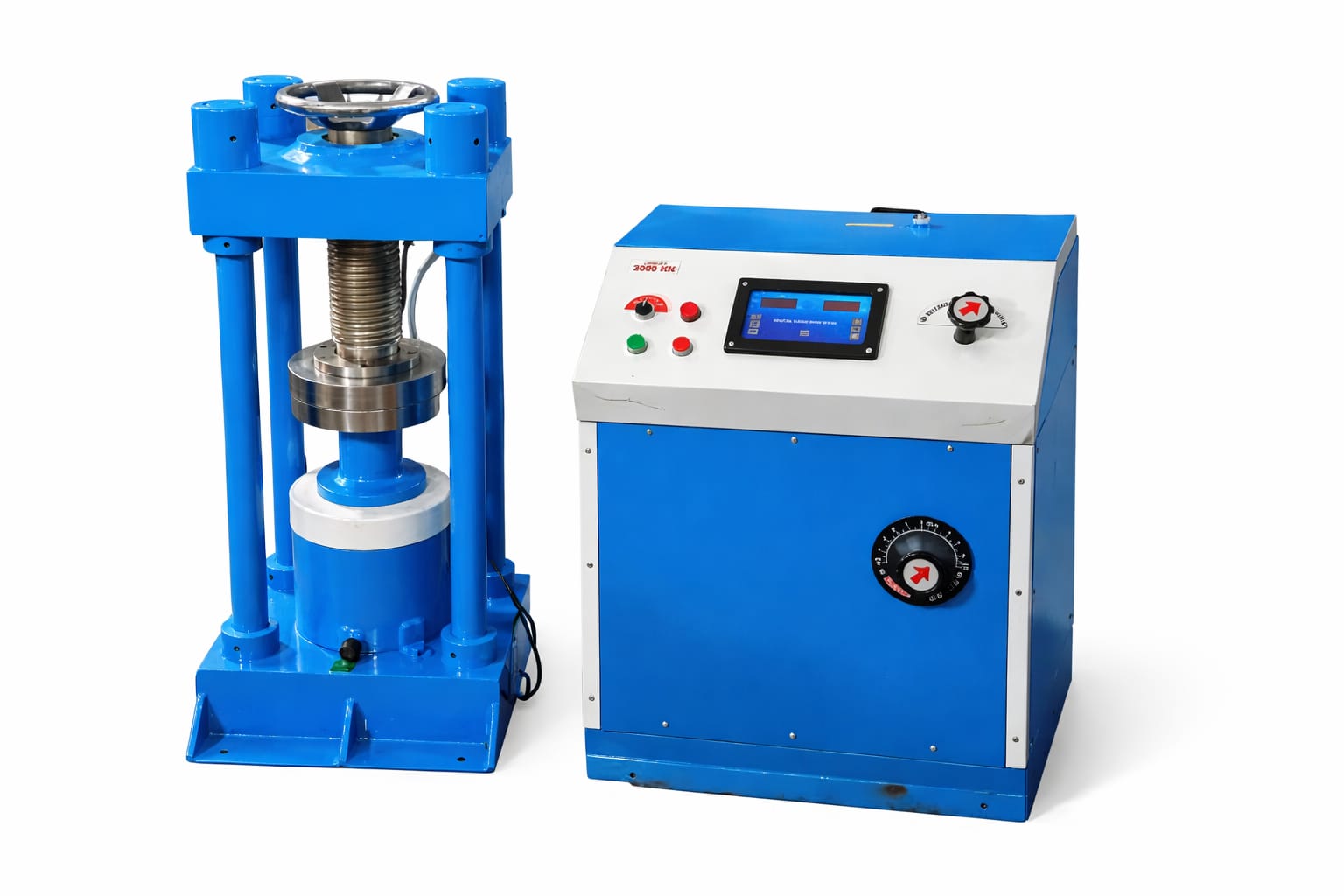
Compression Testing Machine
This machine is used to determine the compressive strength of concrete specimens with high accuracy. It delivers consistent and repeatable results for reliable quality assessment. The robust design makes it suitable for both laboratory and field environments. It is an essential tool for ensuring structural safety in construction projects.
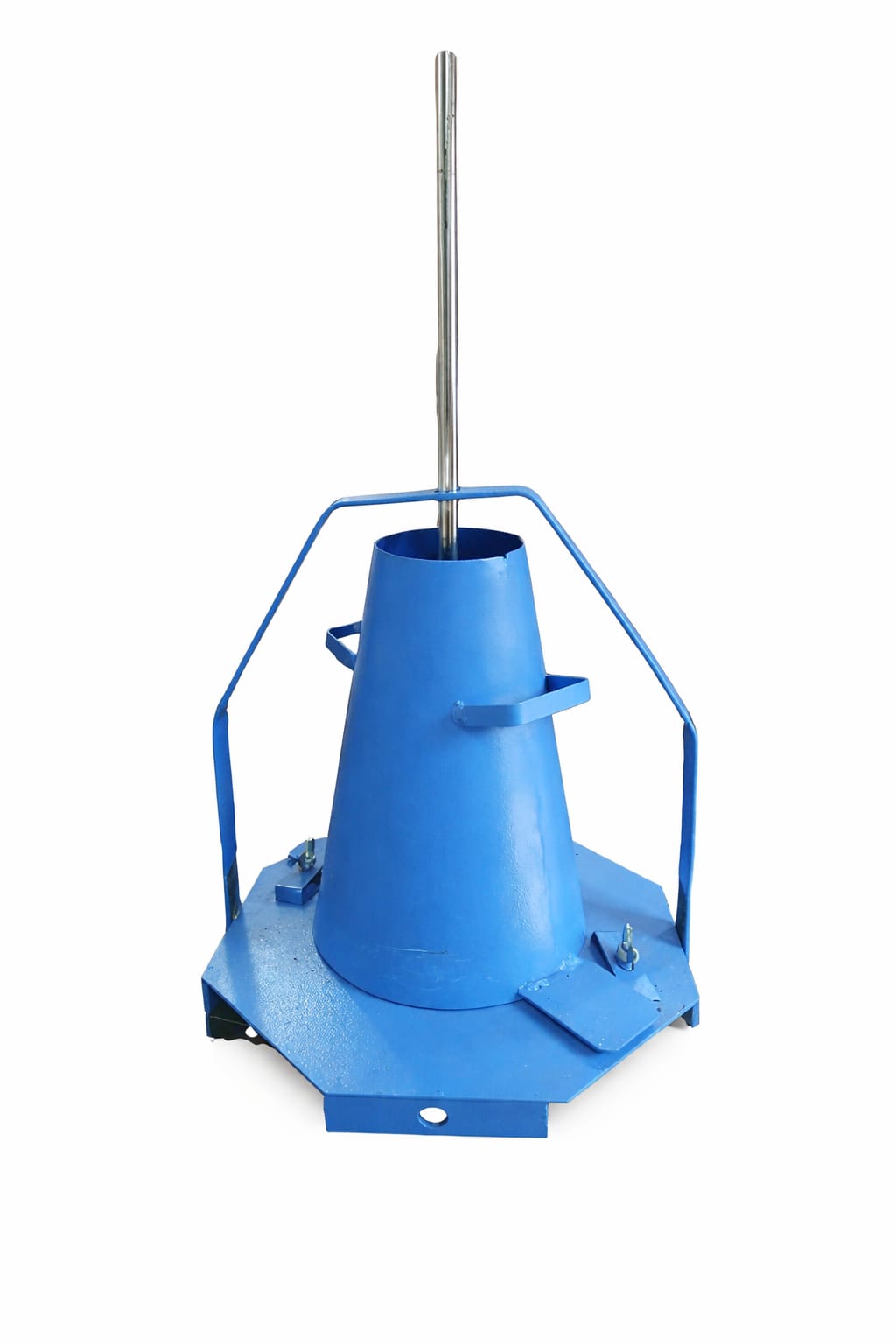
Slump Cone Test Apparatus
This apparatus is used to measure the workability and consistency of fresh concrete. It helps engineers assess concrete quality before placement and compaction. The equipment is simple to use and suitable for on-site and laboratory testing. It plays a vital role in maintaining concrete performance standards.
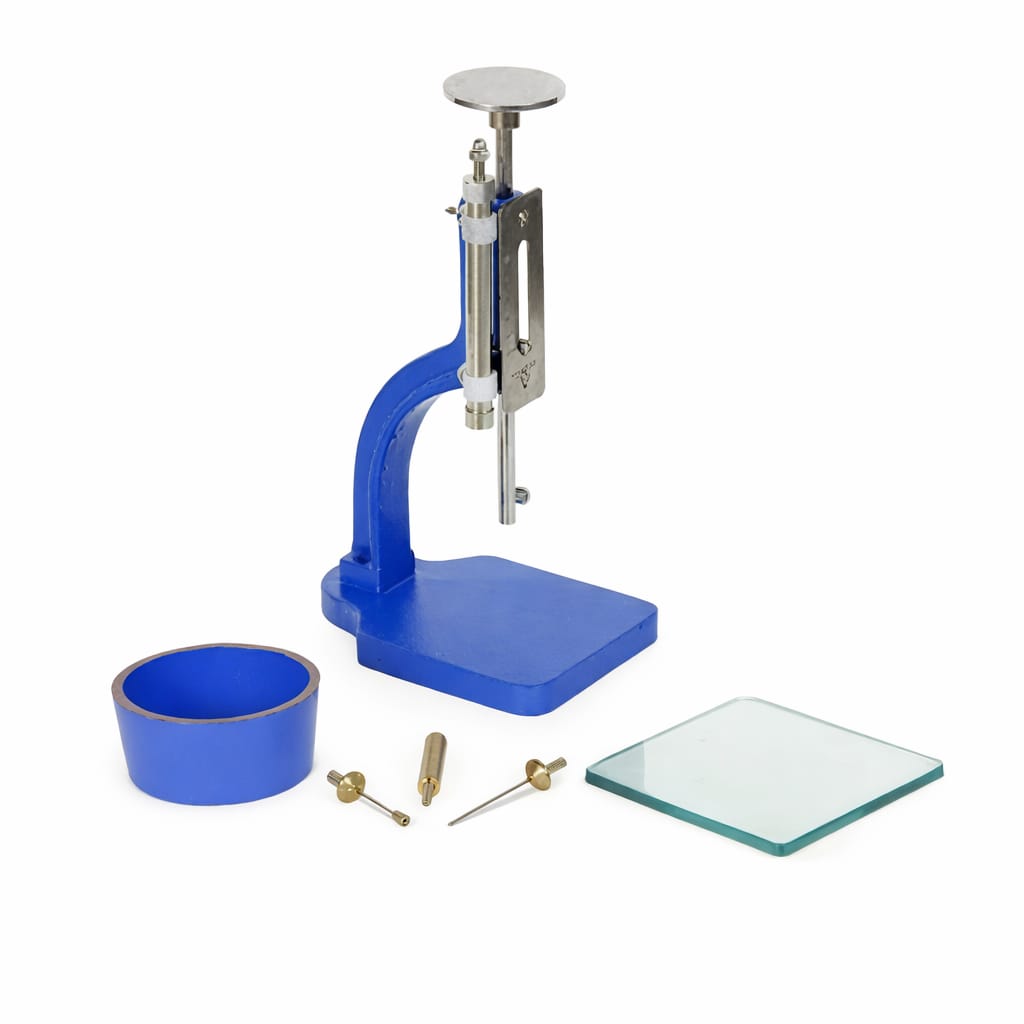
Vicat Needle Apparatus
This precision instrument is used to determine the initial and final setting time of cement. It provides accurate penetration measurements under controlled test conditions. The apparatus ensures cement quality compliance with standard specifications. It is widely used in material testing and research laboratories.
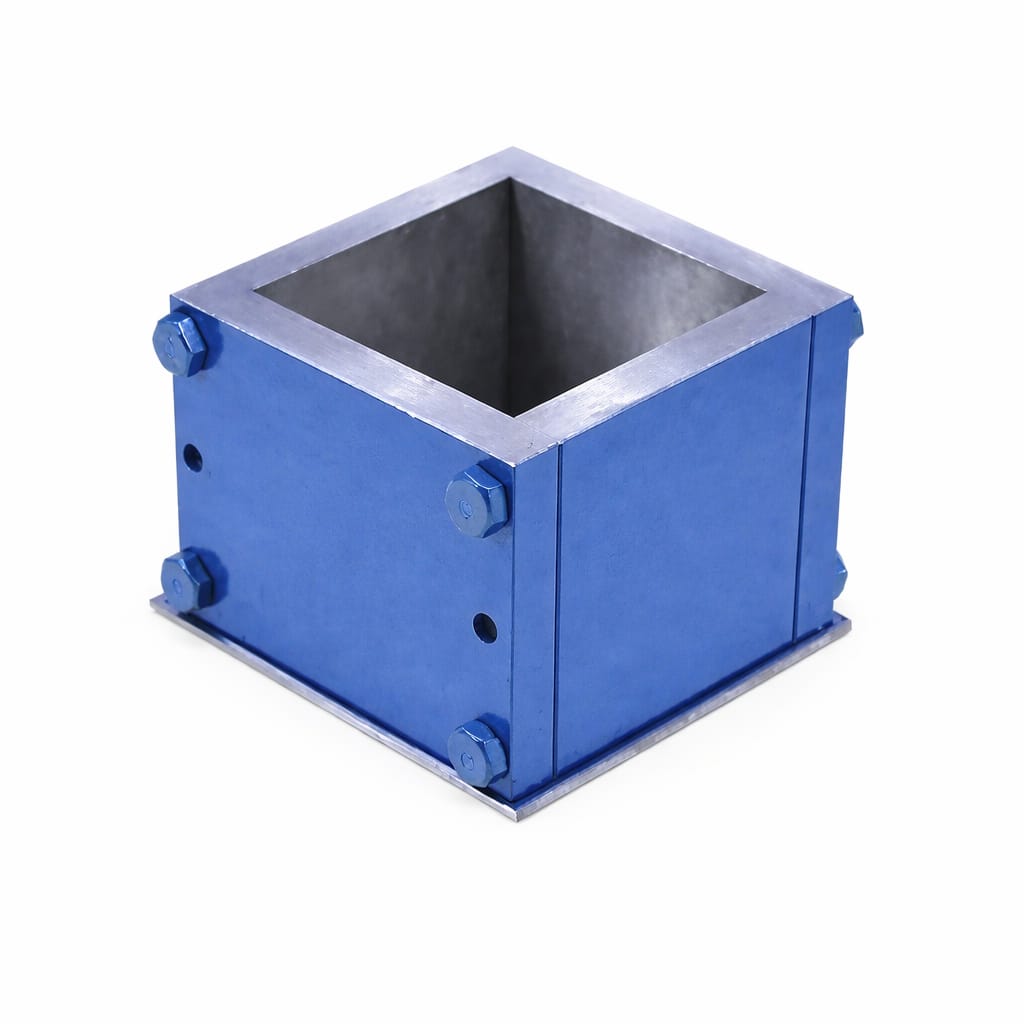
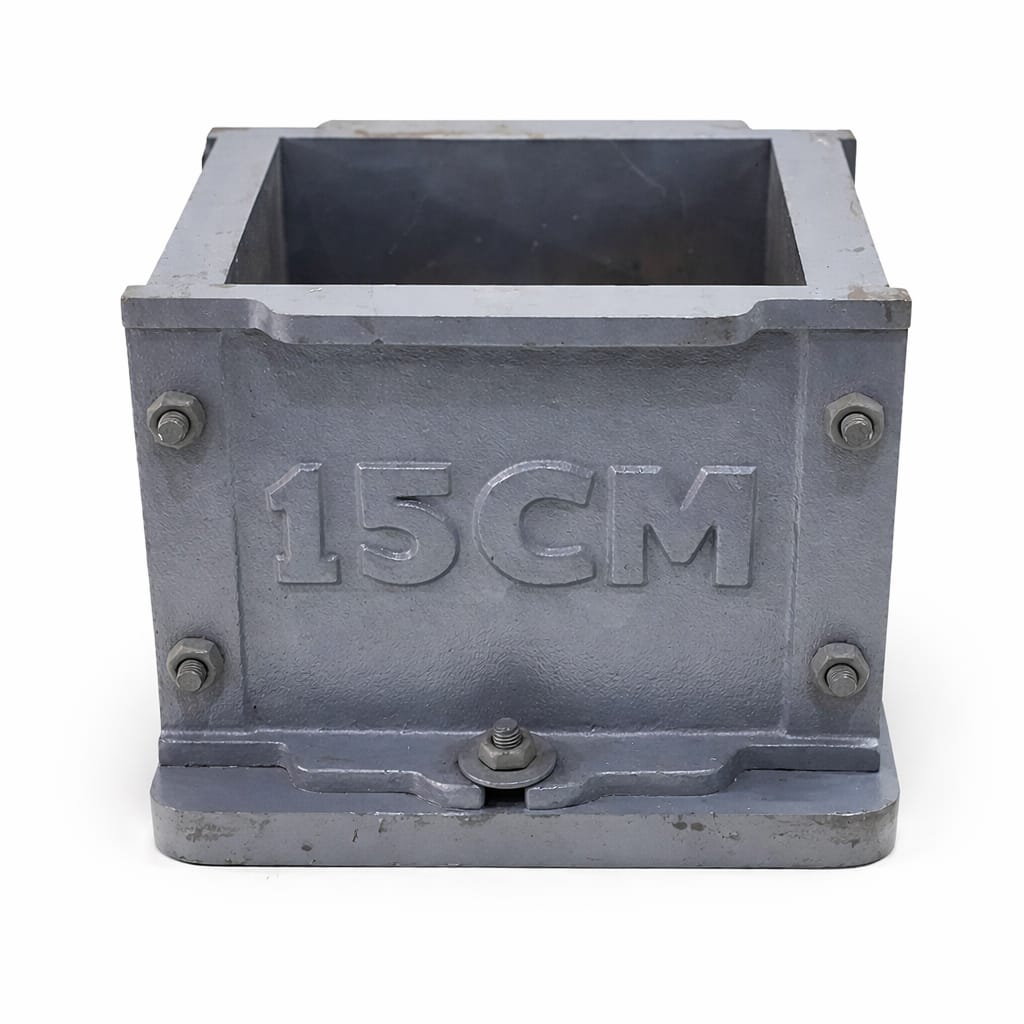
Cube Mould
Cube moulds are used to cast concrete specimens for compressive strength testing. They maintain accurate dimensions to ensure reliable test results. The durable construction allows repeated use without deformation. These moulds are suitable for both site testing and laboratory applications.
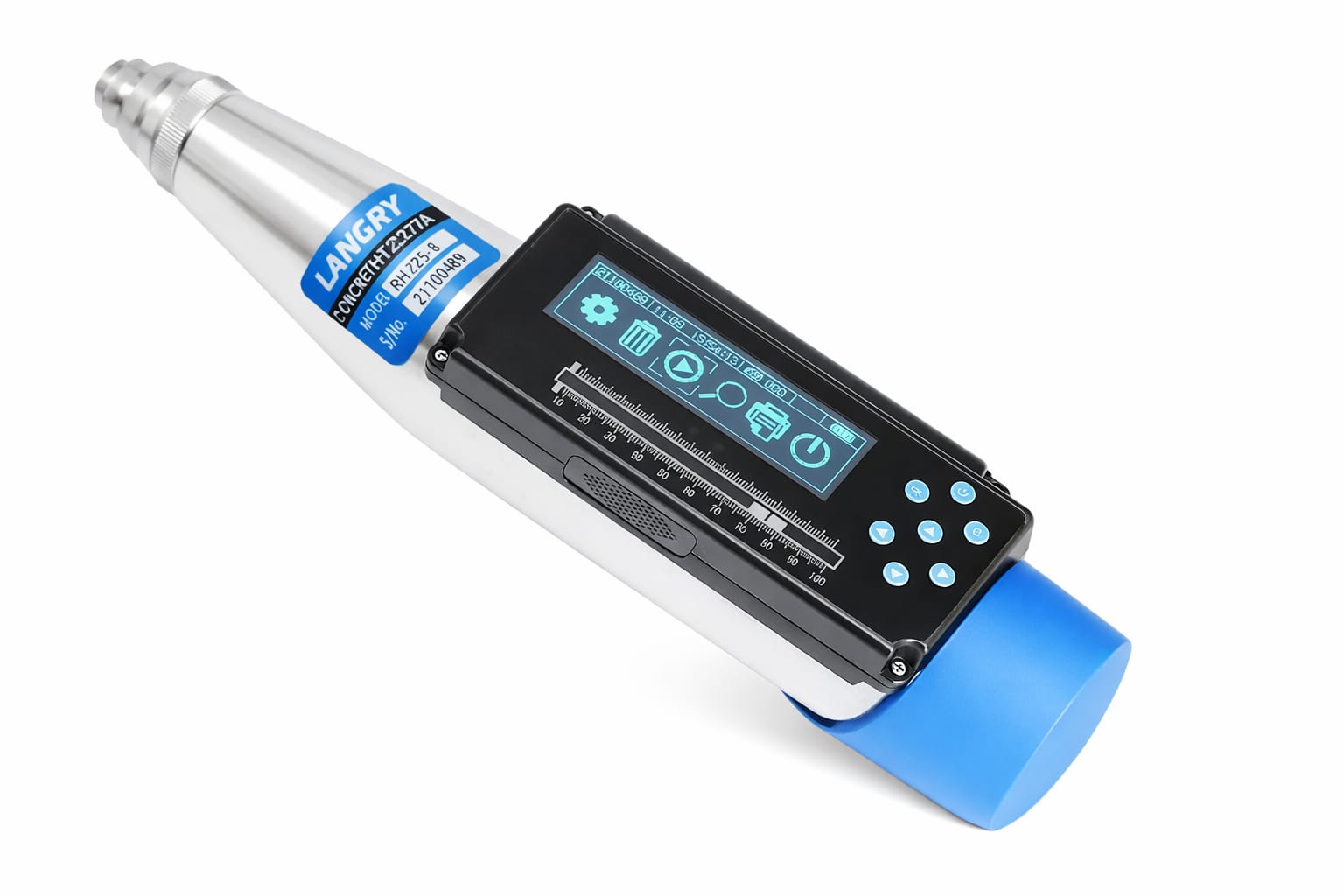
Concrete Test Hammer
This non-destructive tool is used to assess the surface hardness of concrete structures. It provides a quick estimation of in-situ concrete strength. The lightweight design makes it easy to carry and operate on-site. It is ideal for inspection, evaluation, and quality monitoring tasks.
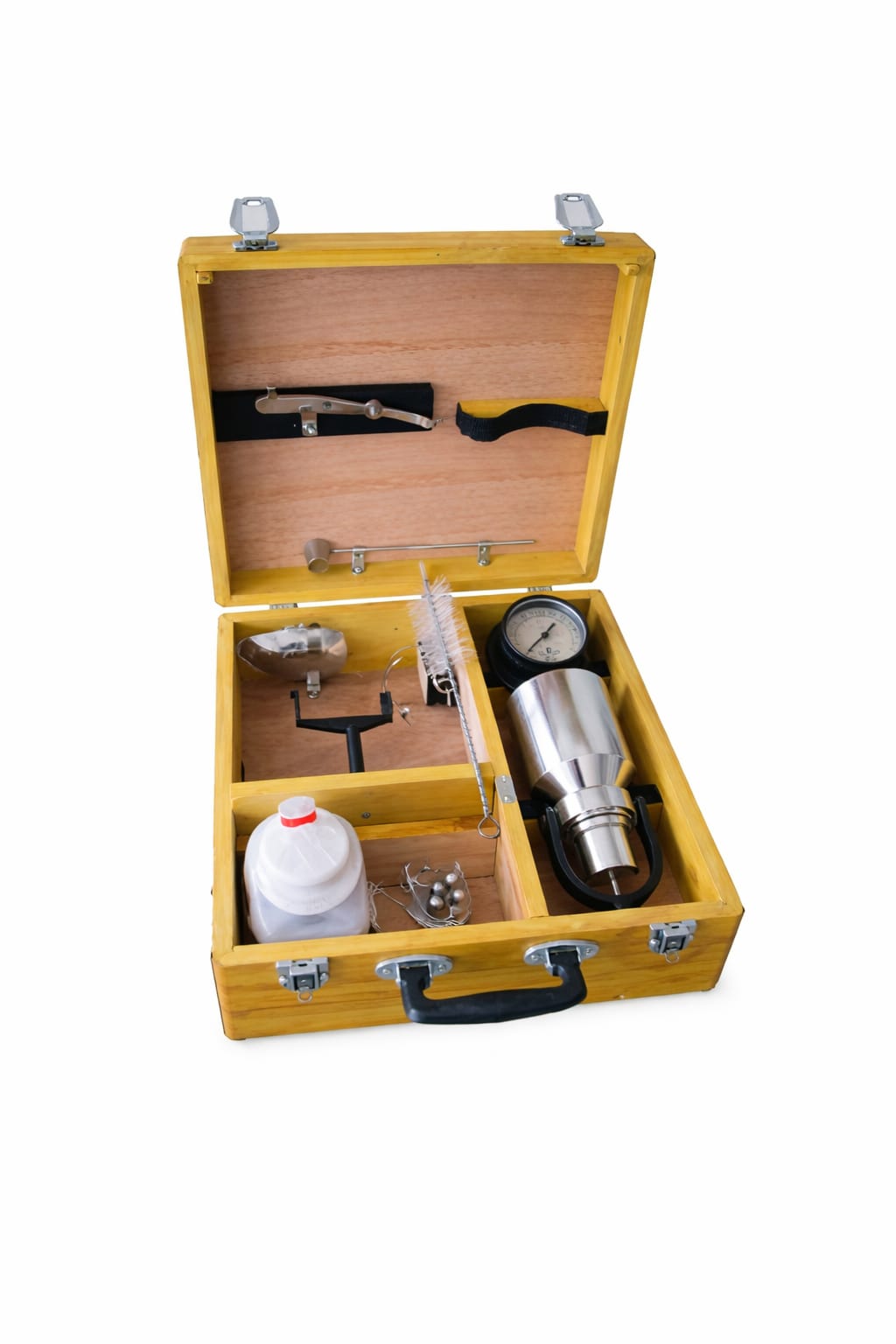
Rapid Moisture Meter Kit
This kit is used to quickly determine the moisture content of construction materials. It helps maintain consistency and quality in concrete and aggregate mixes. Accurate moisture measurement reduces the risk of material failure. The kit is suitable for laboratory testing as well as field use.
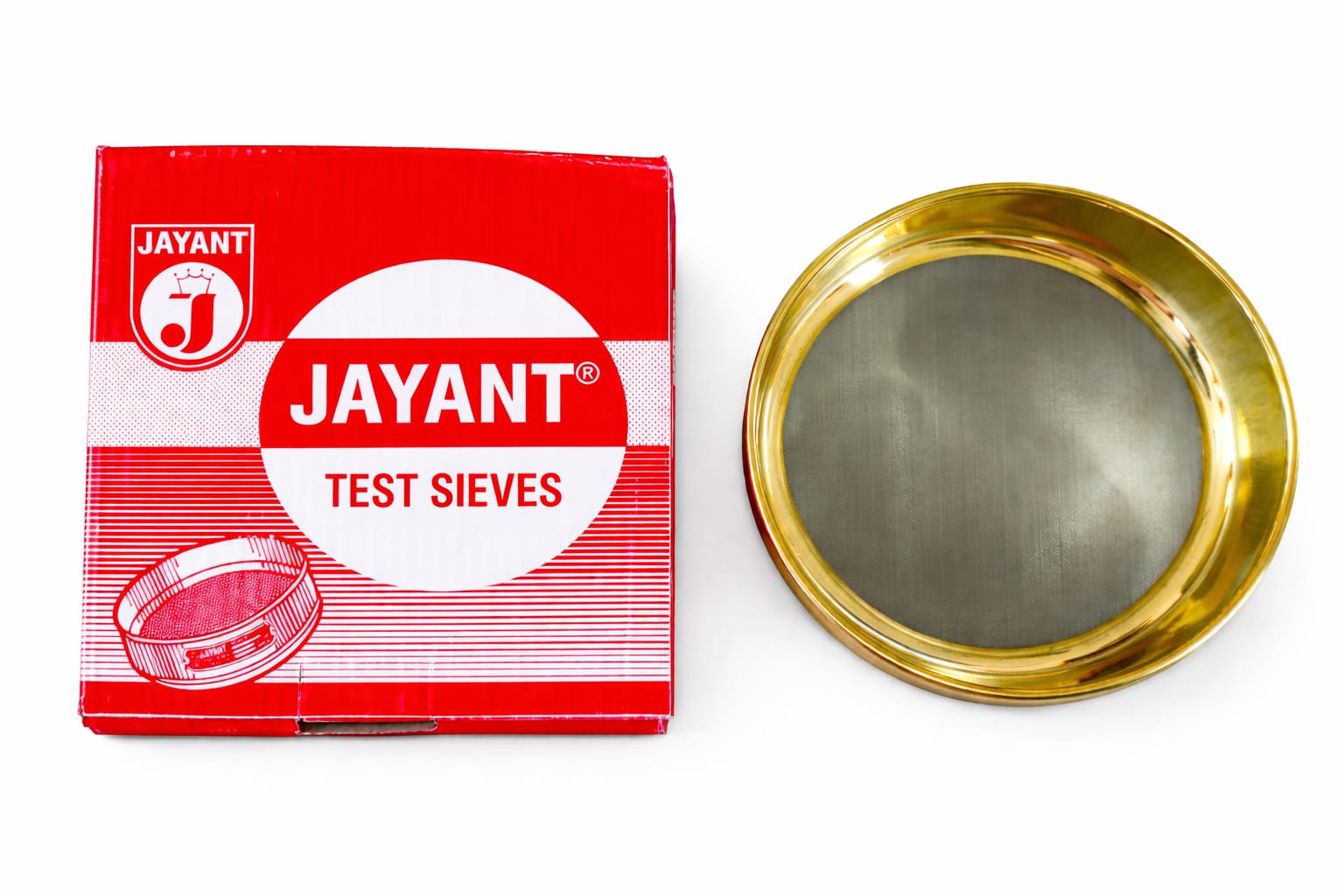
Testing Sieves
Testing sieves are used for particle size analysis of aggregates and soil samples. They are manufactured according to standard testing specifications. The sieves ensure accurate and consistent grading results. They are essential tools in construction material testing laboratories.
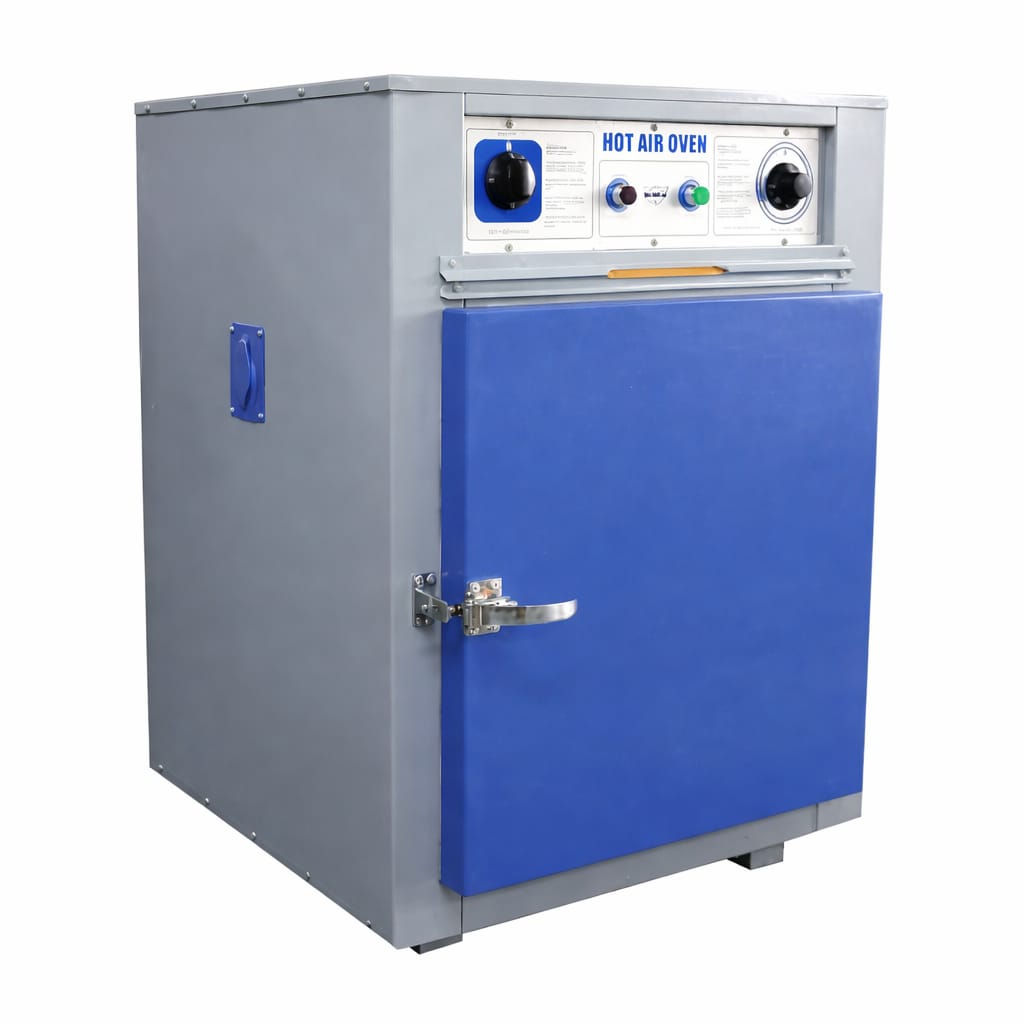
Hot Air Oven
A hot air oven is used for drying, heating, and thermal testing of materials. It provides uniform temperature distribution for reliable results. The equipment is suitable for sample preparation and moisture removal. It is widely used in quality control and research laboratories.
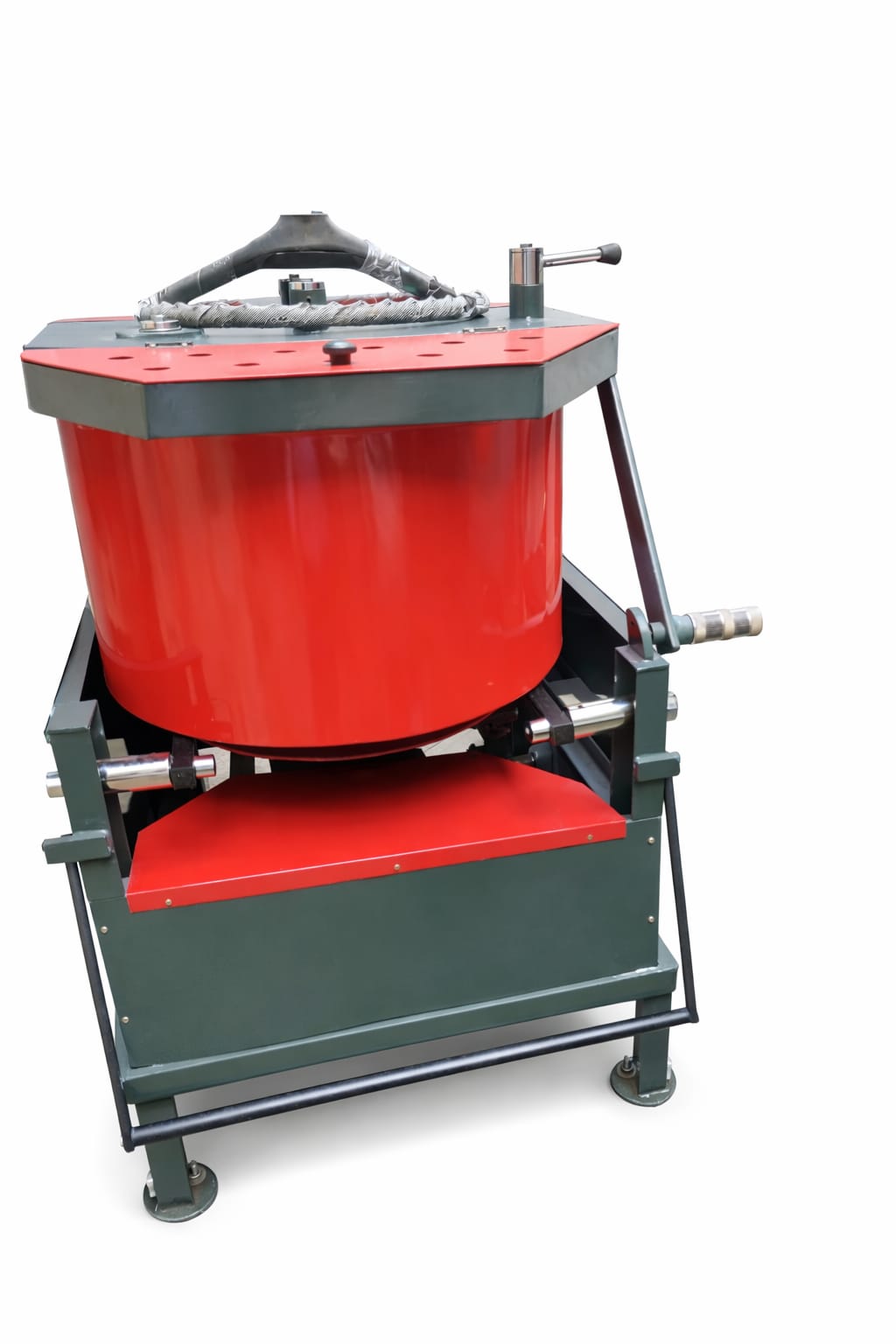
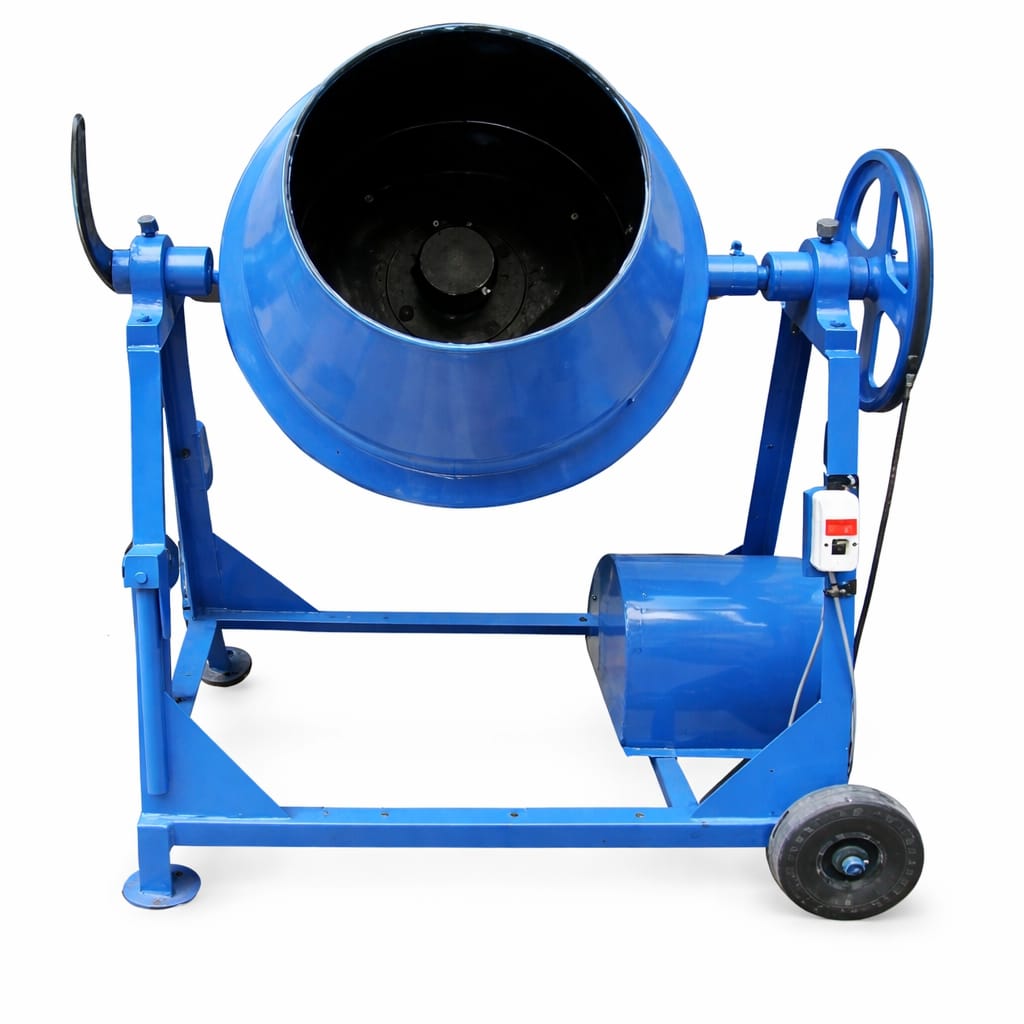
Pan Concrete Mixer Machine
A pan concrete mixer machine is used for uniform mixing of concrete and mortar. It ensures consistent material quality for laboratory and site applications. The machine offers efficient mixing with minimum material loss. It is widely used in construction testing and quality control labs.
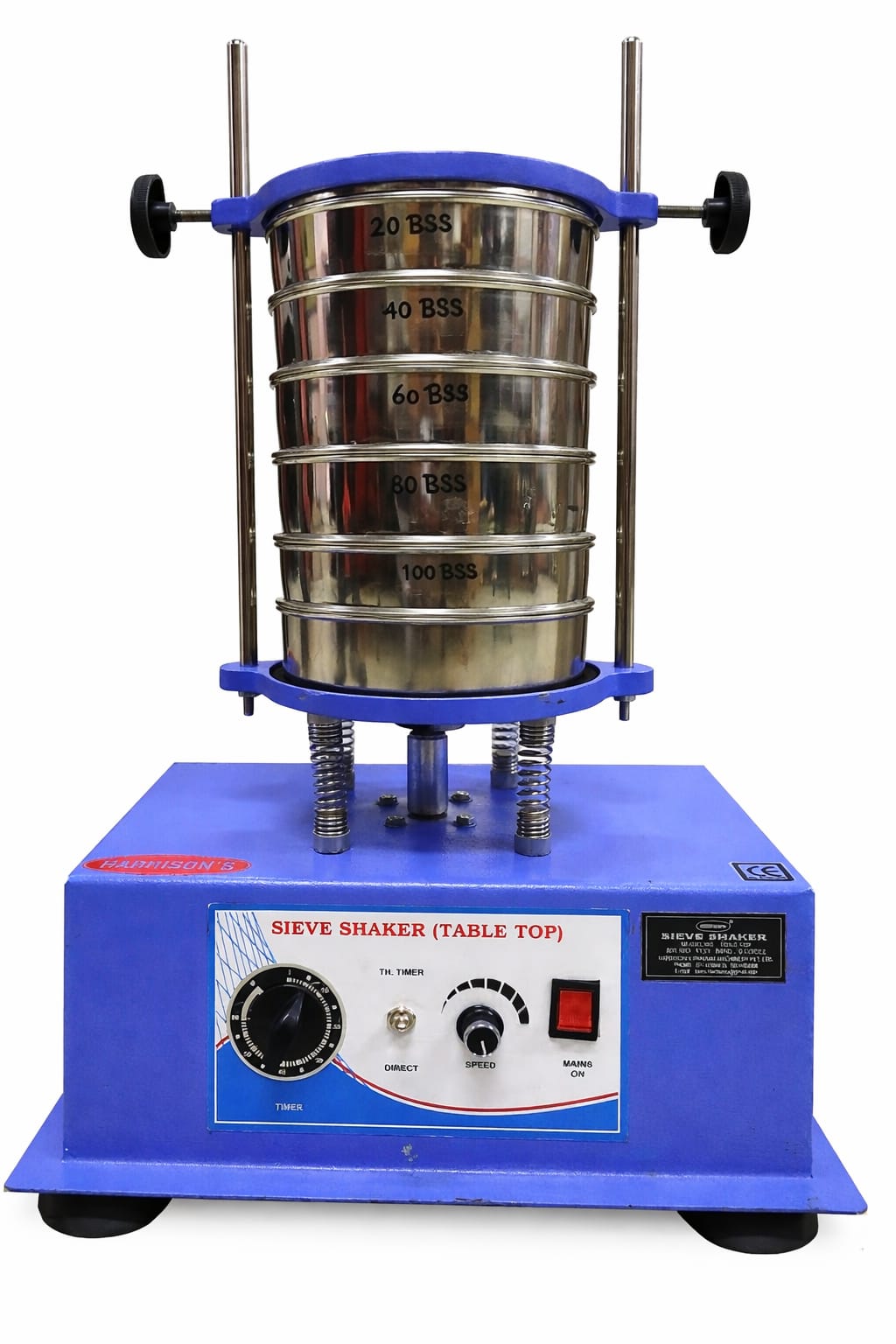
Table Top Sieve Shaker
A table top sieve shaker is designed for accurate particle size analysis. It delivers consistent shaking for precise and repeatable results. The compact design makes it ideal for laboratory use. It is commonly used in soil, aggregate, and material testing.
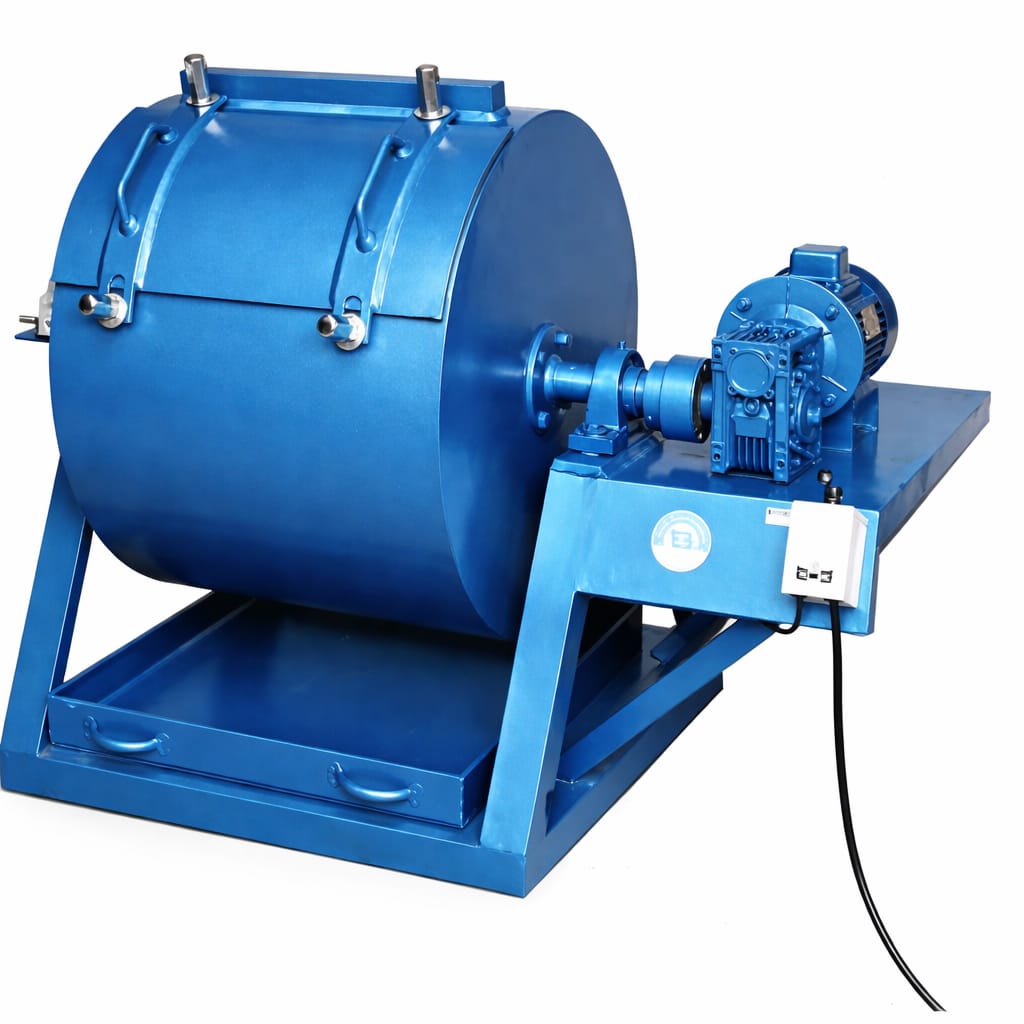
Abrasion Testing Machine
An abrasion testing machine measures the wear resistance of materials. It helps evaluate durability under friction and repeated use. The equipment ensures compliance with industry testing standards. It is essential for construction and material quality assessment.
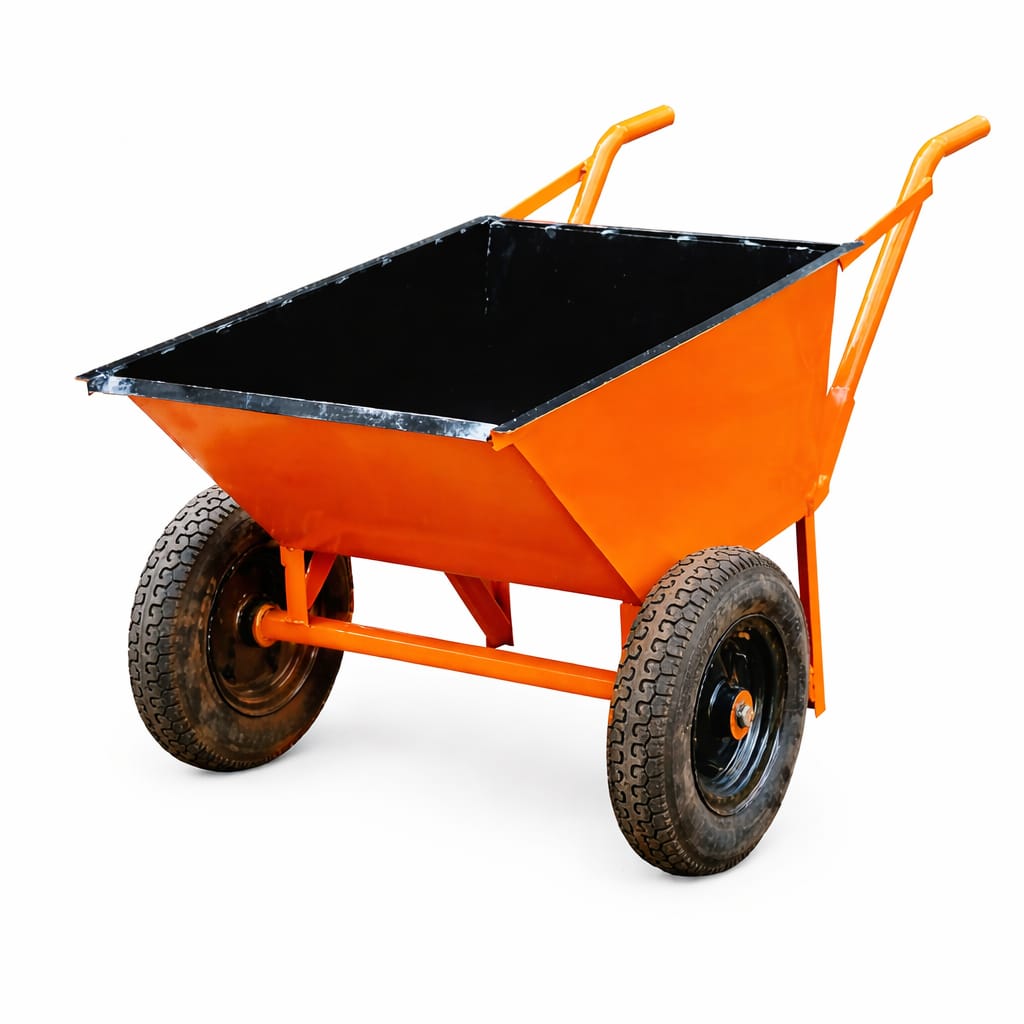
Double Wheel Barrow (Construction Trolley)
A double wheel barrow is used for easy transportation of construction materials. The dual-wheel design provides better balance and stability. It reduces manual effort and increases site productivity. Commonly used in construction and infrastructure projects.
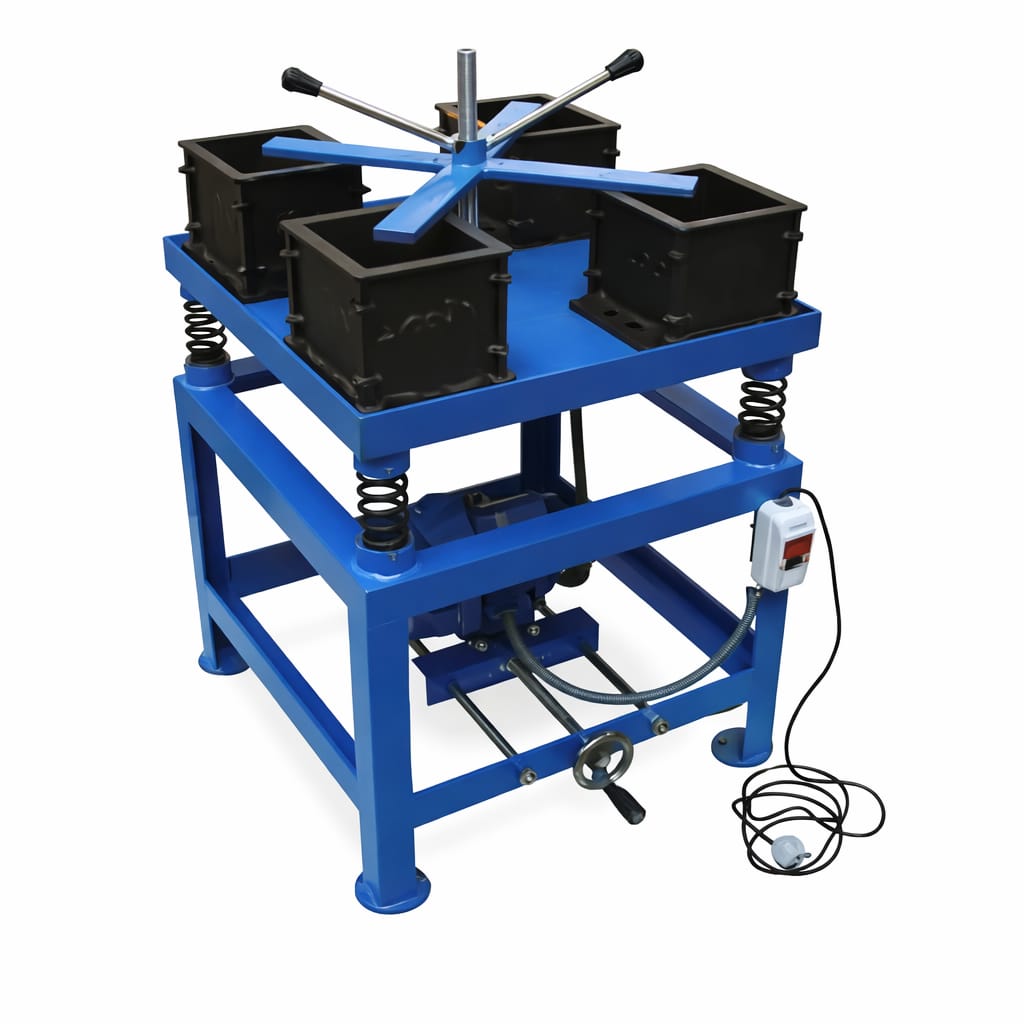
Concrete Cube Vibrating Table
A concrete cube vibrating table removes air voids from concrete samples. It ensures proper compaction for accurate strength testing. The machine provides uniform vibration across the surface. It is a standard tool in concrete testing laboratories.
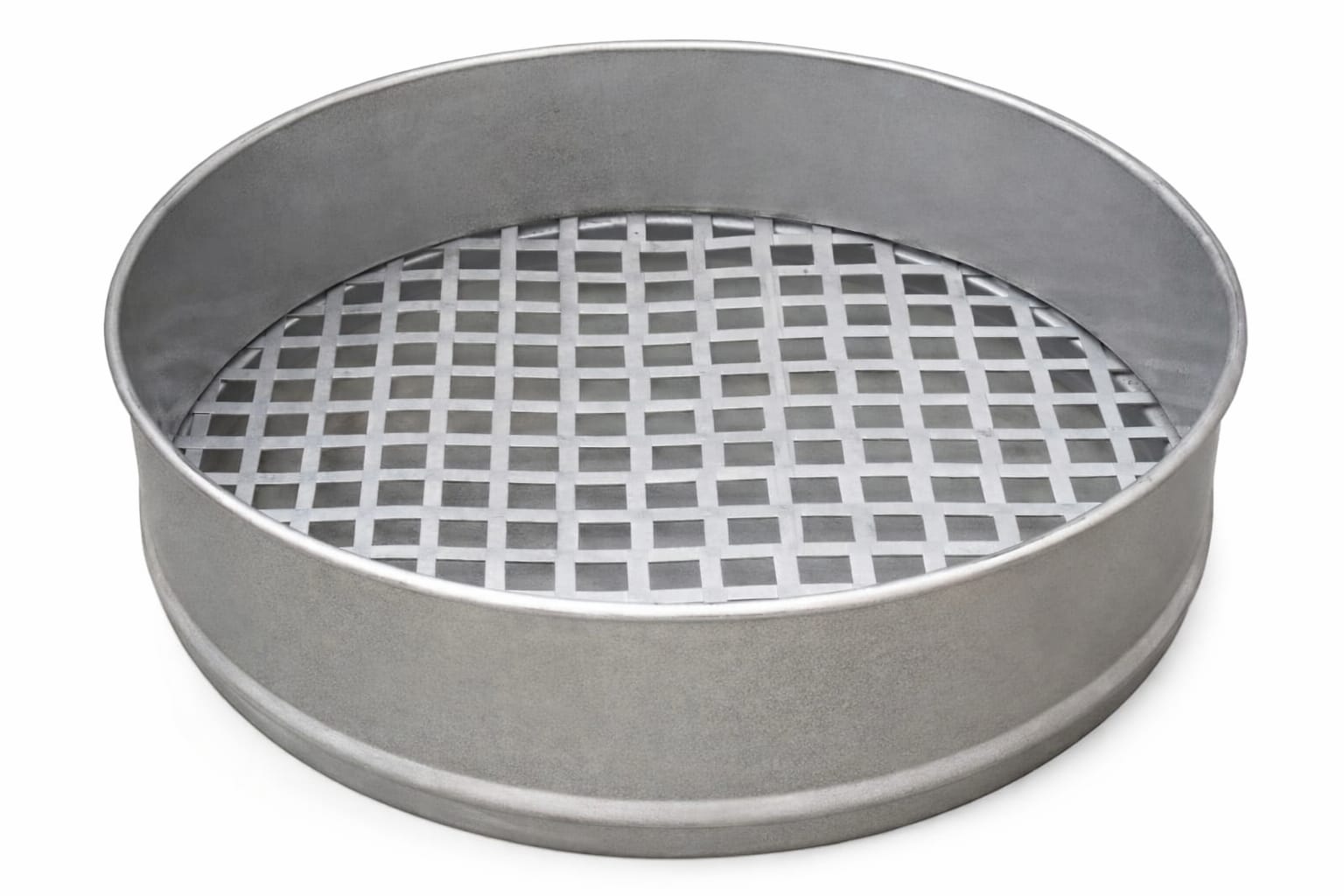
Galvanized Iron (GI) Test Sieve
GI test sieves are used for particle size separation and analysis. Made from durable galvanized iron for long service life. They provide accurate and consistent test results. Widely used in soil, sand, and aggregate testing labs.
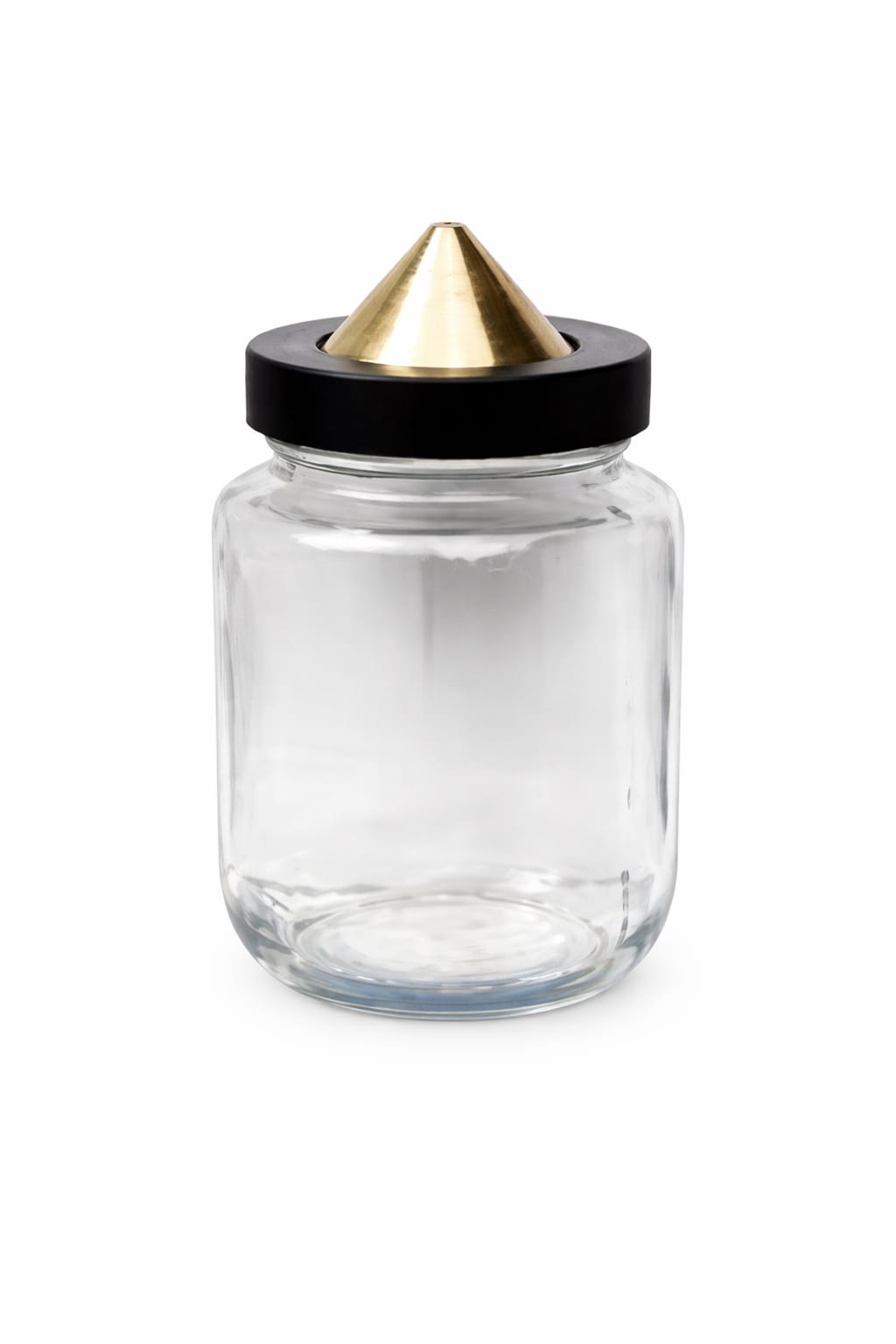
Pycnometer Bottle
A pycnometer bottle is used to determine the specific gravity of materials. It ensures precise measurement of liquid and solid densities. The bottle is made from high-quality, chemical-resistant glass. Commonly used in material and soil testing laboratories.